

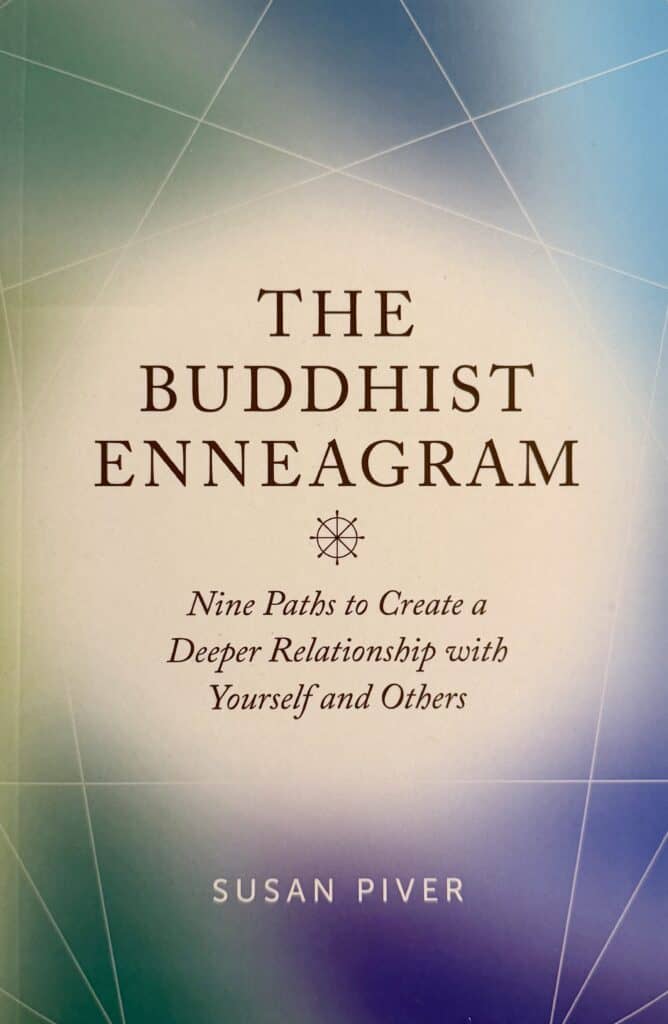
What happens when the ancient map of the Enneagram meets the Buddhist path of compassion and wakeful presence? In The Buddhist Enneagram: Nine Paths to Warriorship, bestselling author and teacher Susan Piver brings these two streams of wisdom together with clarity, humor, and a deep respect for the human journey.
In this conversation for Closer Than Breath’s Author Interview Series, Susan speaks candidly about what she calls “warriorship”—a way of meeting life with bravery, openness, and an unflinching willingness to know oneself. Her responses invite us to loosen our grip on self-improvement and instead trust in what she calls “our natural brilliance.” What follows is an honest, grounded, and profoundly compassionate exchange about the intersection of mindfulness, the Enneagram, and the practice of being human.

The Buddhist Enneagram emphasizes warriorship in an evocative and powerful frame. How do you define warriorship in the context of inner work, and how does each Enneagram type offer its own unique path toward this brave, open-hearted presence?
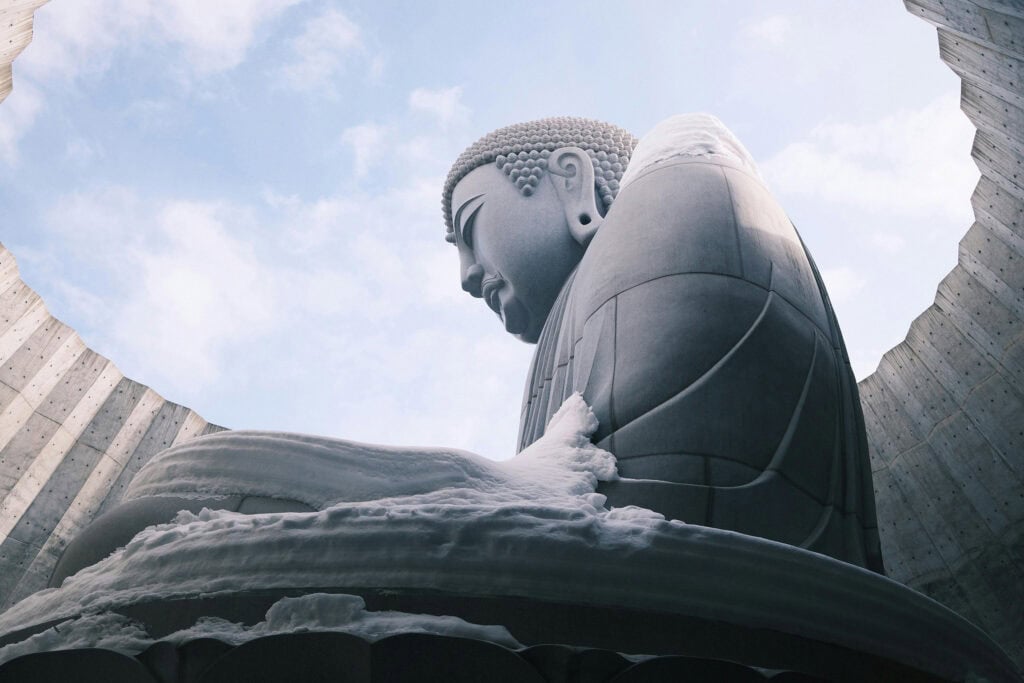
Susan Piver: Well, this question could fill a whole book—which, in a way, it did. The warriorship path for each Enneagram type is basically what my whole book is about. So, I suppose I did write a book to answer it.
A warrior, as I see it, is someone who is not afraid of themselves. That’s where it begins. Most of us live out of some form of fear—fear of being inadequate, insignificant, unworthy. I don’t have to explain that, I think we all know the feeling.
A warrior isn’t someone who believes, “I’m completely adequate,” but someone willing to look directly at who they are and to be that person. That simple but profound gesture of honesty opens a sense of spaciousness. It creates curiosity instead of defensiveness.
Each Enneagram type has its own path toward that kind of open presence. I call these the arcs of transformation. For example: the One’s journey moves from anger to serenity; the Two’s from pride to humility; the Three’s from deceit to honesty—and so on. Each arc reveals a particular fear of self, and a way through it.
Many readers of Closer Than Breath are contemplatives, often drawn to compassion and spiritual growth. How has your Buddhist practice shaped the way you interpret or teach the Enneagram—especially around themes like self-compassion, suffering, or emotional reactivity?
Susan Piver: That’s an excellent question. As you may know, compassion is absolutely central in Buddhism. What is it? How do we practice it, expand it, embody it?
There are two levels of compassion: relative and absolute. Relative compassion is what we usually think of—being kind, caring, or sometimes even getting angry when that’s the truly compassionate response. But absolute compassion is different. It’s more like abiding in oneness. I can’t explain it because, honestly, I don’t know how to do it.
In my more than thirty years of Buddhist practice, I’ve had to face countless obstacles to being compassionate—mostly toward others, sometimes toward myself. And my knowledge of my Enneagram type, and maybe even more importantly, my subtype—my instinctual drive—has helped me put things in perspective. It’s helped me see my own wiring more clearly, so I’m less likely to project my hopes and fears onto others. I can see that my wiring is optional.
In your book, you speak to common patterns like harsh self-talk or recurring conflict. Can you share how the Enneagram, seen through a Buddhist lens, supports interrupting these painful loops—not just by insight, but through embodied transformation?

Susan Piver: I’m not sure what “embodied transformation” means, so I can’t really answer that part. But I can say this: the practice of meditation is not about interrupting painful loops. That’s actually a fool’s errand, because they always loop back.
The motivation to “fix” or “stop” them is often a form of self-aggression—which only deepens what we call harsh self-talk.
Instead, when we see the harsh self-talk—when we feel it, hear it, and allow it to exist—not as who we are, but as part of who we are—something begins to soften.
There are basically two ways to relate to painful things. The first is to try to get away from them. And sometimes, that works! But not always. The second way is to open to them—to make space for them, not to pacify or justify, but simply to sit beside them.
If you had a friend who was speaking harshly or struggling, you wouldn’t tell them to shut up. You might say, “Let’s sit with that together. Let’s just notice that this is happening.”
That gesture of attention—that’s the loving act. Trying to exclude what’s happening? That’s not love.
Your writing involves a radical shift from self-improvement to self-liberation. What challenges do you see in helping people trust their natural brilliance instead of striving for an idealized version of themselves? And how can the Enneagram support that shift?

Susan Piver: I don’t help people trust their natural brilliance—I can’t. Everyone already knows their own brilliance. The challenge isn’t for me; it’s for each of us to learn how to trust what we already know.
For me, the Enneagram is the ultimate support for discovering that brilliance. Most of us live in a world shaped by certain cultural ideals—what I call “Three energy” (achievement), “Eight energy” (power), or “Seven energy” (positivity). We think we’re supposed to be like that. But when we see that these are just particular expressions, we can stop trying to be what we’re not.
And if we are a Three or a Seven or an Eight, we can learn to appreciate the gifts of other types too.
I’m a self-preservation Four. That was an important discovery for me. I never identified with the “tragic romantic” image of a Four, but when I read about the “reckless dauntless” subtype—sometimes called the “tenacious Four”—I recognized myself immediately.
That insight helped me see that this wasn’t simply a psychological wound to heal, though it is that too—it’s also a gift. Each type has a gift. And we’re not taught to see that. The Enneagram helps us do so.
Based on your experience, what one piece of guidance would you offer someone just beginning their Enneagram discovery and self-observation journey?
Susan Piver: First, don’t rely on the tests. Or, take them—but don’t believe them. None of them are great, and yet they’re all kind of great.
If you take several tests, you’ll probably notice certain numbers showing up more often. Start there. But even more importantly, begin with your subtype—your instinctual drive: self-preservation, social, or sexual/intimate.
That will save you so much time. It’s usually easier to identify.
For me, it was obvious that I’m primarily self-preservation, but I never would’ve guessed I was a Four until I read about the self-preservation Four—the countertype. If I’d only read the standard Four description, I would’ve passed it right by.
So, my one piece of guidance, summarized: Don’t rely on the tests. Trust yourself. And start with your subtype.
Susan’s words remind us that inner work is not about fixing who we are, but about being willing to see and be who we are—without defense, without judgment, and without turning away. Her teaching embodies the heart of contemplative practice: courage without aggression, tenderness without avoidance.
To learn more about Susan’s work, visit susanpiver.com or explore her book The Buddhist Enneagram: Nine Paths to Warriorship, available wherever books are sold.
Where can we learn more about your work?